Taking Great Photos While Skiing. The Solution
So I went to the Alps again… twice in fact. The last time I wenk skiing and hikin, I still took a camera and lenses with me. I really wanted to see if skiing while taking great photos was possible with just a smartphone.

Now on my fifth ski trip, it is safe to say that I am addicted. Another expensive hobby was not what I set out to find, but find it I have. For a landscape photographer skiing is perfect, as it gets you into the heart of a mountain range without putting your life at risk. You can freely stop at the side of the slope anytime you see a great photo opportunity emerge. But it also poses a huge problem; how to enjoy your skiing, be safe, while taking great photos too?
Putting a large camera in a backpack on the slopes has is drawbacks:
- Getting onto and sitting on ski lifts – you have to either remove the backpack, or sit with your back on the camera
- Stopping to taking out the camera from the backpack is slow and can be cumbersome, nevermind changing a lens
- The fear of falling onto your back – not great for your spine, or the camera
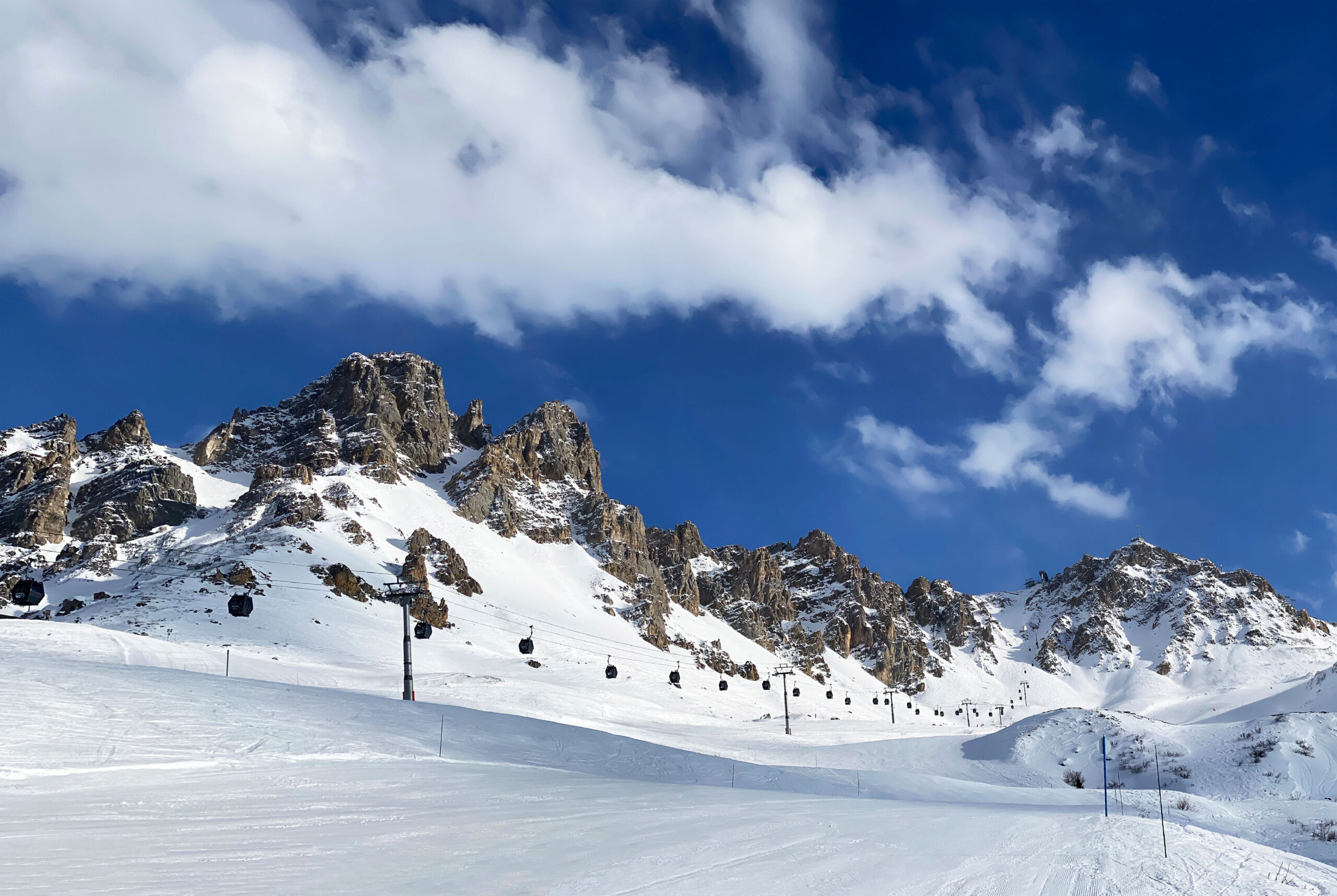
Possible Solution?
We all know how fantastic smartphone cameras are becoming, I have written articles (here) about how good these things are… but would I just come back bitterly disappointed with the results if I left my full camera gear at home? Could I still take great photos (to me) whilst skiing (or any other adventure too) with just a phone? What I require from an image is simple: 1) it needs to withstand some editing without falling apart, and 2) it needs to be a relatively high-resolution so I can display high quality images on 4k or 5k monitors. The iPhone at 12MP is really not quite enough, without some tricks…
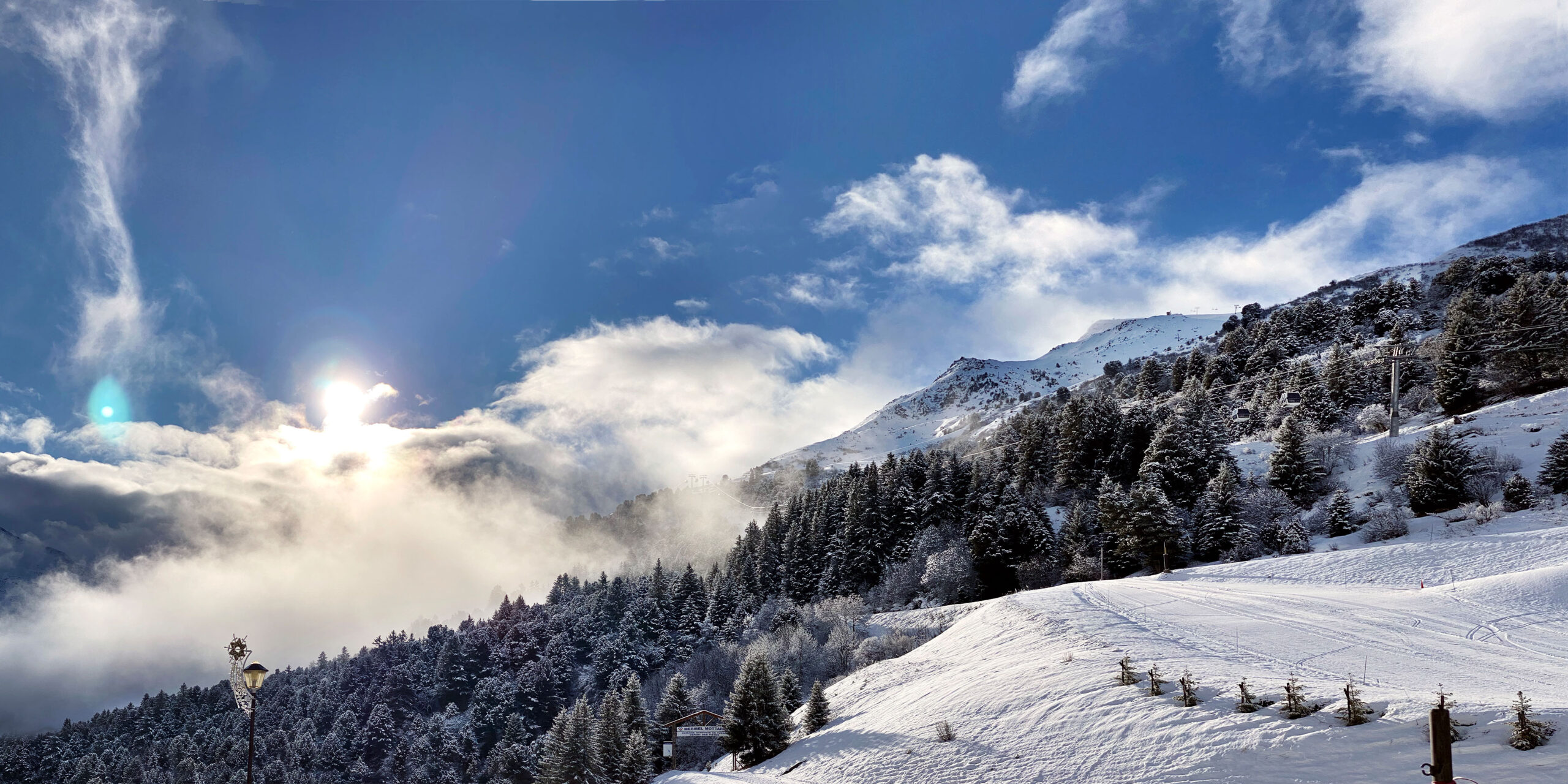
Pro Tip – How to get more resolution without spending a penny?
You can do this on any phone but I will use the iPhone method (same for most android phones too) for now. Select the ‘tele’ (2x or 5x) lens. Press and hold on the part of the image you want to focus on, to lock the focus and exposure. Photographers out there will be familiar with this, but if you arent, it basically means that you can move the camera around freely and it’ll always keep that same focus point and exposure. Then, take four or five images to blend together later creating a large, high megapixel image. Just make sure your images overlap each other so the software can match the relevant parts of each image. See below as an example.
iPhone 11 Pro – First Trip




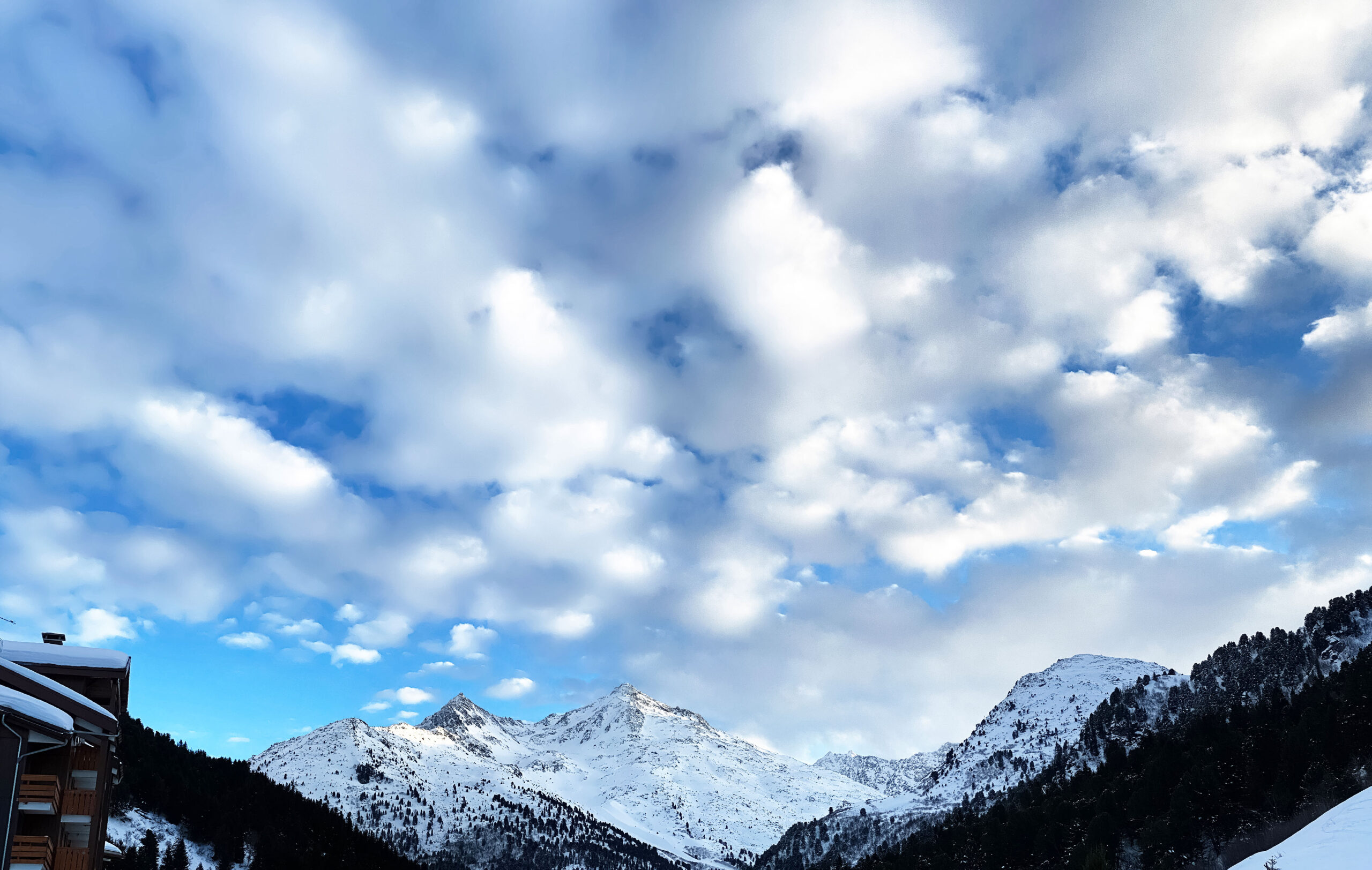


You can also do this with the a wide angle or ‘main’ lens, but as these are wide angle lenses you will get a very distorted image. You’ll likely then end up having to crop heavily. The take home lesson here is to take plenty of images that overlap and you should be fine. Then, either use Photostitcher (iPhone app) or Photoshop (best option) to merge them together. Here is a 40+MP image from the trip below:

I added roughly half a pixel worth Gaussian blur to the image to take away some of the phone’s default sharpening.
After getting back from Meribel in December and looking back over my images, I was really happy with the results. The files did lack a little resolution, but the HDR performance and overall images were great. It really made me think about my phone photographic outlook. While I can’t ever see myself without a ‘real’ camera, I could save so much energy, weight and time by using just a phone. I can remember so many of walks or hikes lugging round huge cameras, ultimately reducing the enjoyment. But no longer.
You really do need to be more creative when limited to only wide angle or standard (35-50mm) lenses. The ‘periscope’ tele lenses are improving no end, but they aren’t quite there yet, but again, stitching with this sort of lens is a great option.
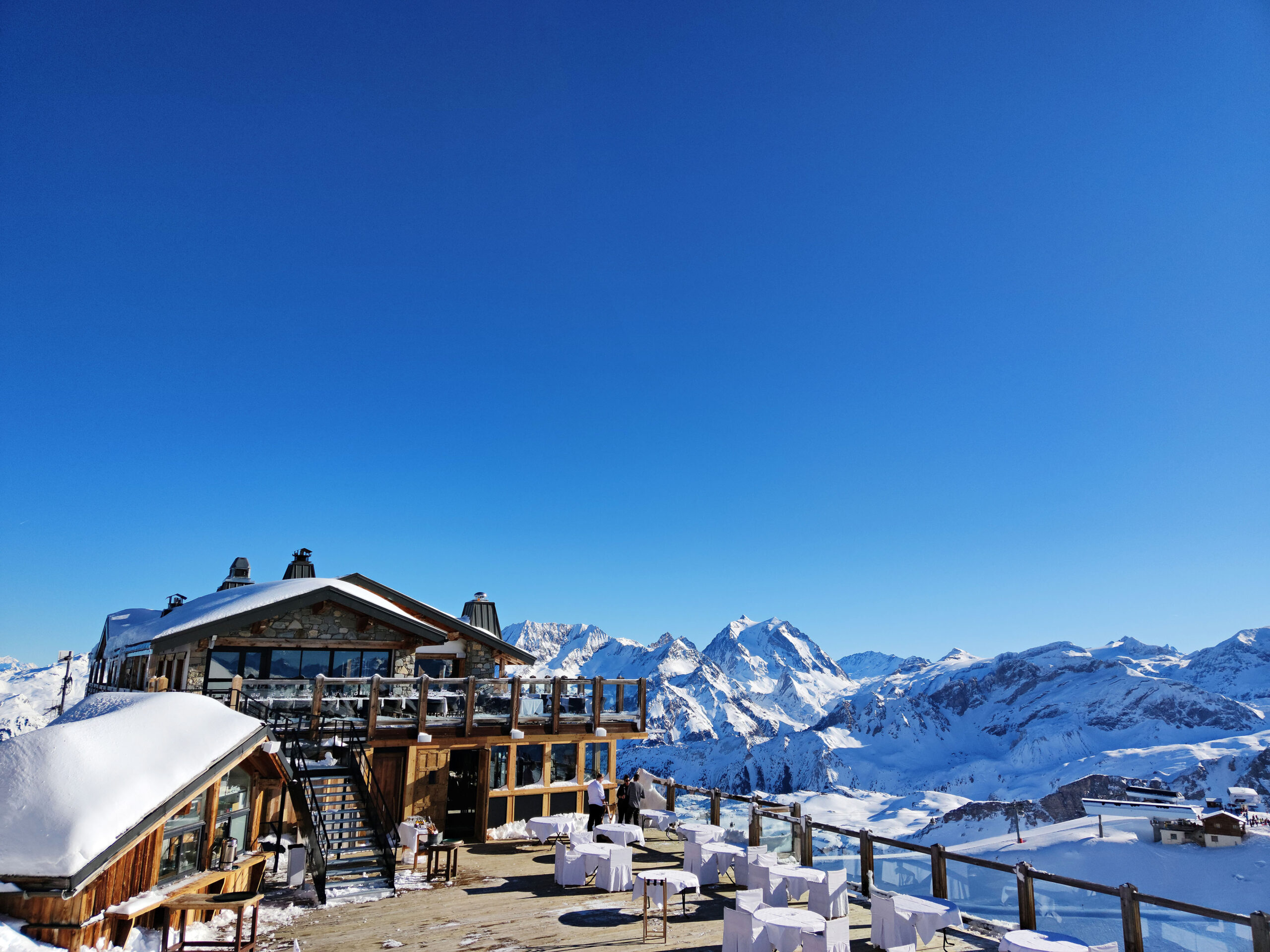
I bought a Xiaomi Mi Note 10 especially for my second trip to the Three Valleys, and again made the conscious decision to leave my real cameras behind. The reason for choosing the Mi Note 10 was simple, it’s cheap and offers some fantastic cameras… with some flaws.
The Xiaomi device is quite insane. It offers a 108MP 25mm main camera. A 20MP ultrawide (which is far superior to the iPhone 11’s ultrawide). An unstabilised 12MP 2x Zoom (or 50mm). And lastly a 5x telephoto lens (which is the weak link of the bunch). It is not a “flagship device” but my oh my, the camera is, on the whole, brilliant.
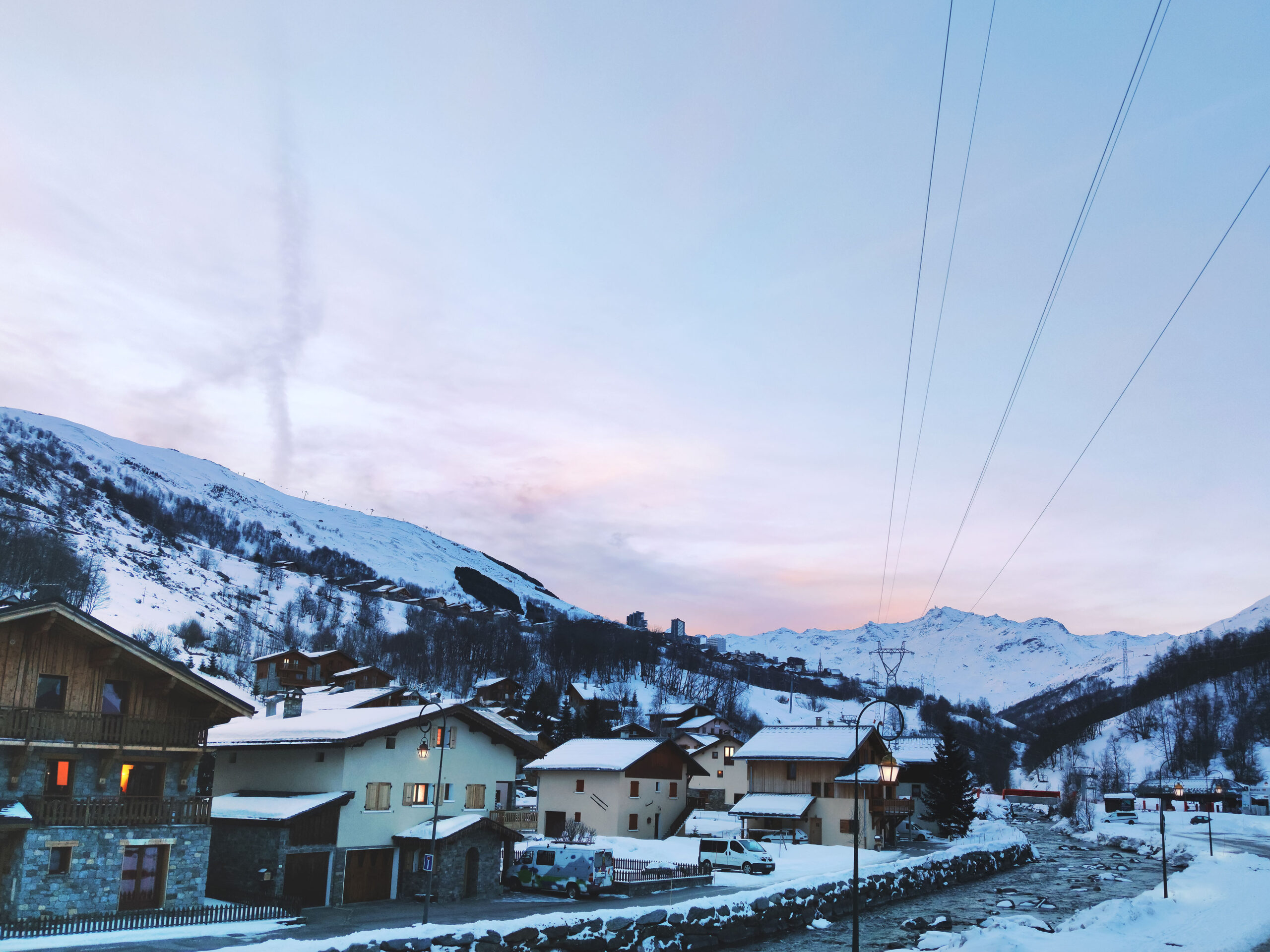
Here are a few Xiaomi images below from my time in Les Menuires and the Three Valleys:
Xiaomi Mi Note 10


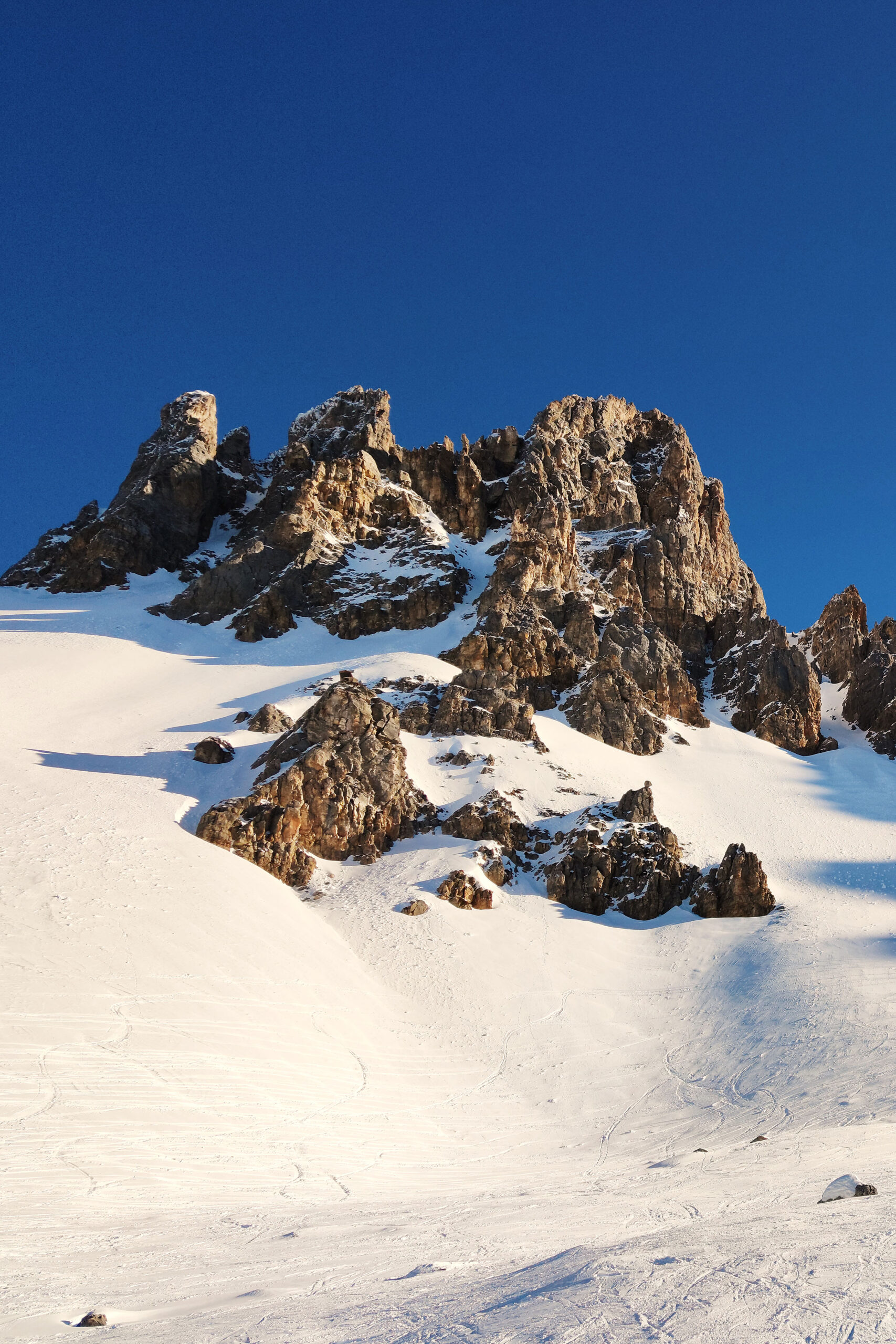

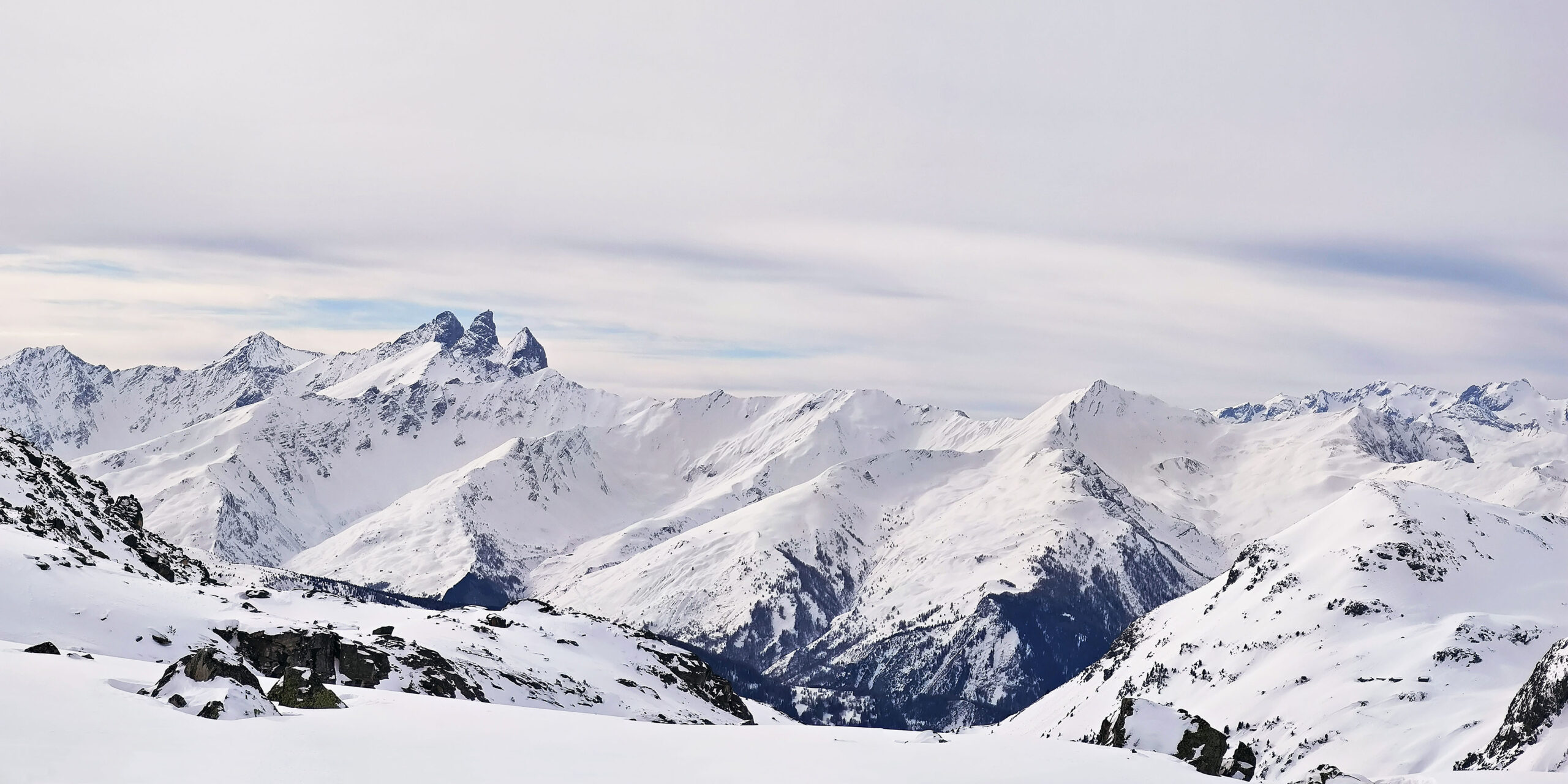
So which did I prefer? The iPhone 11 Pro or the Xiaomi Mi Note 10?
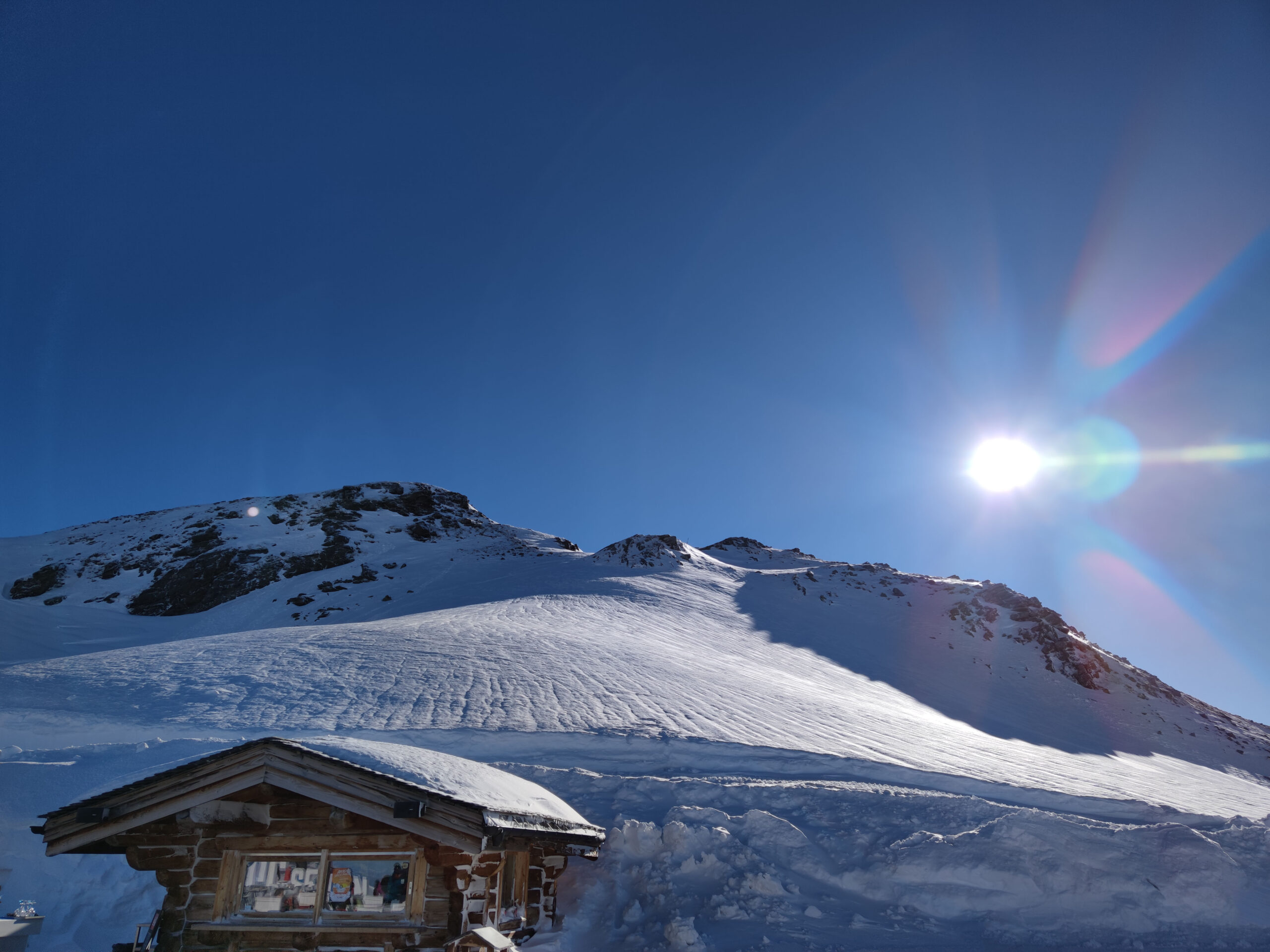
On the otherhand, the iPhone gives you one option, 12MP. But the HDR performance is quite a lot better than the Xiaomi. Even shooting directly into the sun, the iPhone still produces perfectly balanced images. The sun is almost never over-bright which is quite astonishing for such a small sensor. This is thanks to Apple and their extremely powerful processing chips.
You’ll see below some relatively obvious differences in terms of HDR and how both phones handle bright light and flare. The iPhone produces a more gradual gradient between harsh light and shadows, and also, most importanly it still exposed the entire image well. Whereas the Mi Note tends to under-expose the image slightly to eek out as much highlight information as possible.
You are better off allowing the Xiaomi to expose for the highlights and manually brighten the rest of the image later, giving you a similar image to the iPhone, with more detail too.
Final thoughts
So yes, going on adventures and taking some great photos while just using a Smartphone is easily possible. By leaving my camera gear at home, my skiing improved no end! Additionally my travels were simpler, and skiing with friends was less frustrating for all parties. Stopping occasionally and taking out a small phone, instead of whipping out a camera from my backpack was a refreshing change. It was also safer too, for me and my gear.
So what about the future, for me and smartphone photography?
I have changed my thoughts and opinions on camera gear more times than most people have changed their bed sheets, which is probably not often enough for me. However smartphone photography is here to stay in my photographic future. The image quality is improving so fast and all because of one small thing, money. There is so much interest in smartphone cameras, meaning manufacturers are putting a huge emphasis on this in their phone specifications. We are already seeing a race to become the best, which inadvertently spurs on the next company to do even better.
The images you see here are of good enough quality to display in most scenarios, and having that capability in your pocket is great. Of course I miss the ultimate image quality of full frame or medium format cameras, but photography, especially when on the move, is about balance and enjoyment.